
Ads, Lies, and High Prices
Rick Westerdale • November 29, 2025
How the Federal Trade Commission Can Finally Tame Big Pharma
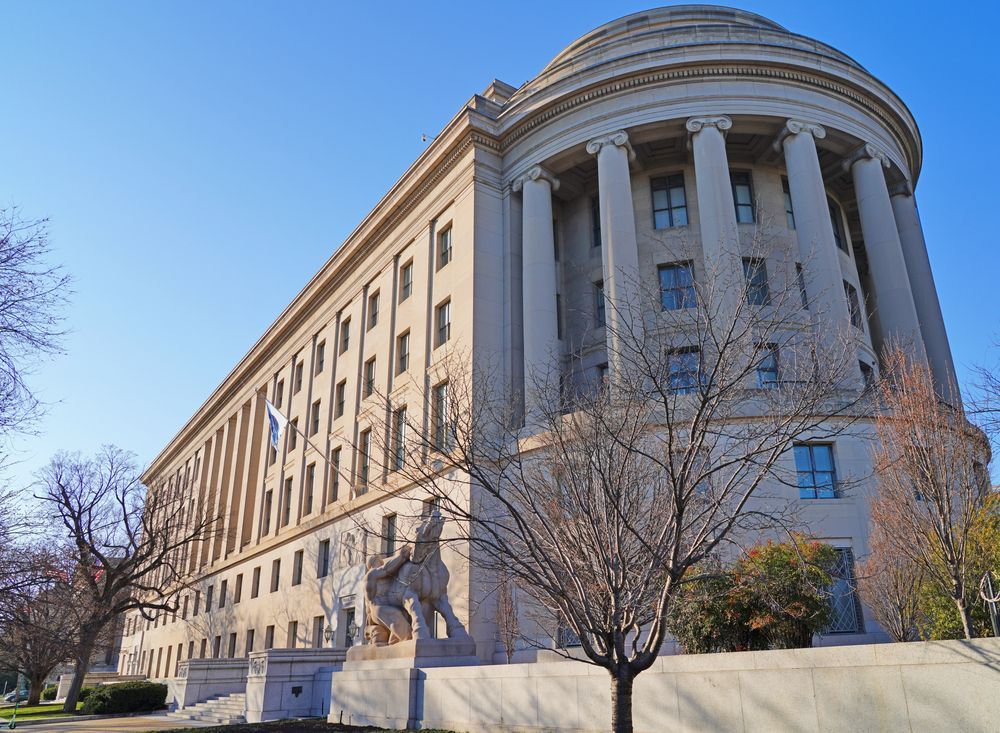
Americans see more drug commercials than doctor visits each year — and it’s costing us all.
The United States is one of only two nations on earth that allows direct-to-consumer prescription drug advertising. Every smiling face on TV hides a price tag, and every “ask your doctor” pitch pushes costs higher for patients and taxpayers alike.
These ads have become background noise to daily life, but their impact is anything but harmless. They shift decision-making from doctors to marketers, fuel brand-name loyalty over medical necessity, and drive up prices under the guise of innovation. It’s time to call this what it is — deception cloaked in regulation. And it’s time for the Federal Trade Commission (FTC) and Congress to finally act.
Profits Over Patients
More than 80% of Americans believe drug companies prioritize profits over cures. They’re right. Pharmaceutical firms now spend more on marketing than on research and development. Even more troubling, studies show that advertising budgets are weighted toward drugs with lower clinical benefit — not because they work better, but because they’re more profitable.
The result is a marketplace where consumers are bombarded with glossy promises for high-cost drugs, often with limited or uncertain advantages. The average television viewer spends about 16 hours a year watching prescription drug ads — more time than they spend with their doctor. Meanwhile, more than 60% of Americans report skipping or rationing medications because of cost.
How is it that a nation leading the world in innovation has so many citizens choosing between medicine and groceries?
The FTC’s Authority and New Guardrails
The FTC already has tools to address deceptive practices in the pharmaceutical sector. Section 5 of the FTC Act prohibits “unfair or deceptive acts or practices.” Historically, the agency has used that authority to target false claims for diet pills, tobacco ads, and pandemic-era miracle cures. It can do the same with misleading drug ads and manipulative pricing structures.
But recent developments demand caution and clarity. The FTC’s 2022 Section 5 Policy Statement has drawn bipartisan concern for potentially overstepping congressional intent and bypassing well-established antitrust norms. As the U.S. Chamber of Commerce and others have argued, the FTC must exercise its authority within clear legal bounds.
That’s not a call for inaction — it’s a call for responsible enforcement. The FTC should publish formal guidance clarifying how it will apply Section 5 to drug advertising and pricing practices, in a manner that honors due process, provides transparency, and aligns with economic evidence. Congress, in turn, should delineate the appropriate guardrails to ensure consistent, focused action.
Deception by Design
Big Pharma’s advertising ecosystem isn’t just aggressive — it’s structured to mislead. Drug ads routinely overstate benefits, understate risks, and suggest that a prescription is a lifestyle choice rather than a medical decision.
The numbers tell the story: in 2023 alone, pharmaceutical companies spent more than $1 billion per month on advertising. Three of the top five national TV advertisers were drugmakers. And the ads themselves — sleek, comforting, often scored with soft piano music — rarely reflect the real costs behind the curtain.
When you peel back the layers, many “discounts” and “rebates” touted by the industry are little more than pricing illusions. Rebate structures often raise net costs while allowing companies to claim they’re lowering prices. The FTC could — right now — investigate these practices as deceptive trade conduct, just as it does for misleading promotions in other sectors.
But it must do so under updated, transparent policy parameters that ensure its actions are rooted in law and fair standards.
Government’s Complicity
If Big Pharma is guilty of profiteering, government inaction makes it an accomplice. The FTC and Congress have allowed a regulatory gray zone where drug companies can market with emotional storytelling while hiding behind the FDA’s narrow focus on safety and efficacy.
The FDA reviews the science. The FTC polices deception. But when both fail to engage, consumers pay the price — literally. Every exaggerated claim or obfuscated cost adds friction to the marketplace, erodes trust in the system, and feeds cynicism about whether Washington is willing to stand up to corporate power.
This isn’t a partisan issue. Polls show overwhelming support — more than 80% of voters — for holding pharmaceutical companies accountable. Americans know that competition, transparency, and truth aren’t anti-business; they’re the foundation of fair markets.
A Reasoned Path Forward
The FTC should establish a Pharmaceutical Advertising and Pricing Task Force — but only under clearly defined limits. This team should include cross-disciplinary experts in law, economics, and public health, tasked with auditing top drug advertisers, issuing evidence-based guidance, and pursuing enforcement actions where harm is demonstrable.
Congress should simultaneously ensure that this initiative respects constitutional and statutory boundaries by:
- Reaffirming that FTC enforcement under Section 5 must rely on transparent standards,
- Mandating public reporting on pharmaceutical advertising practices,
- Elevating penalties for egregious deception, while safeguarding due process.
- With these reforms, the FTC can reassert its vital consumer protection role without overreaching its statutory mandate.
Restoring Trust
This debate isn’t about punishing success; it’s about restoring balance. Drug innovation saves lives. But advertising that inflates hope, hides risk, or distorts pricing undermines the very progress it claims to celebrate.
One can view this problem as profiteering — or as a regulatory failure. In truth, it’s both. Pharmaceutical companies have exploited every inch of the system, and regulators have been content to look the other way.
The FTC has reined in deceptive advertising before. It did so with diet pills, tobacco, and fraudulent COVID cures. It can do the same with prescription drugs — provided it does so within the limits of law, guided by principle, and in partnership with Congress.
Innovation without access isn’t progress. It’s profiteering by another name.
Rick Westerdale has more than 30 years of experience across the federal government as well as in the global energy industry. As a Vice President at Connector, Inc., a boutique government relations and political affairs firm based in Washington, D.C., Rick advises clients on strategy, investment, and policy across healthcare, hydrocarbons, LNG, hydrogen, nuclear, and the broader energy transition.