
Big Hair or a Bigger Heart?
The Dolly Parton Effect
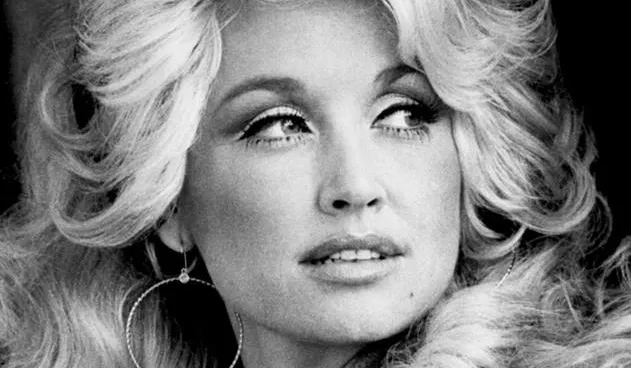
Certain things every adult experiences can make them feel like a child again. They are the things that make you nostalgic for a place and a time you can never return to. But with a simple closing of your eyes and a deep breath, you can almost imagine the smell, the sound and the feeling of being a child again.
For rural Appalachian children like myself, one thing rings true throughout all of East Tennessee: the words “Hey, y’all,” or the opening line, “Back through the years, I go wonderin’ once again,” bring back memories so vivid and real that you might as well be a little kid again. These words were spoken and sung by the Appalachian Queen herself, Dolly Rebecca Parton.
Dolly was born and raised on Locust Ridge, a small ridge in East Tennessee, on the outskirts of Sevier County. She grew up incredibly poor, with few opportunities beyond becoming another statistic in the cyclical nature of poverty-stricken Appalachia. With many siblings, no electricity, and no local industry, the Partons, like many others, did what they could to survive.
It was in that small mountain home and wooden church that Dolly Parton developed a love for singing and knew that was what she wanted out of life. Fast-forward 65 years, and she is one of the most beloved singers to ever grace the planet.
But what makes Dolly different from so many other celebrities is that she never forgot where she came from. She did not leave the mountains behind when she became successful. Instead, she turned around and reached her hand back toward the people who helped shape her.
Her success became more than big blonde hair, Appalachian humor, and infinite rhinestones. It became a way to provide opportunities to children that she herself never had.
One of the greatest examples of this is Dolly Parton’s Imagination Library. Dolly created this organization over 30 years ago, in honor of her father, Robert, who never learned to read or write. What started in her own backyard eventually grew into a program that has provided hundreds of millions of free books to children around the world. I have a two-year-old son, Charlie, and he gets a book delivered once a month to our mailbox, along with everyone else with children whom we know.
The Dollywood Foundation also created the Buddy Program for seventh- and eighth-grade students in Sevier County. Dolly promised students $500 if they stayed in school and graduated, encouraging them to make a commitment to one another. The graduation rate rose by over 30 percent in just a few years, and college attendance increased dramatically.
I mean, who thinks of these things? Dolly did. That’s who.
I remember it like it was yesterday. In 2016, devastating wildfires tore through Sevier County and throughout Gatlinburg. Homes were destroyed, and families lost almost everything they had. In a matter of days, Dolly and her foundation created the My People Fund, donating millions to the community and to people who had suffered tremendous loss. Fast forward to 2024, when the floods came through after Hurricane Helene and destroyed our community; Dolly was there with a check in hand to donate millions once again to those in need.
Standing in the Wal-Mart parking lot during a press conference, she called them “My People” because that is exactly who they were. These were the same mountains, roads, churches, and communities that had raised her.
Last but not least, there is Dollywood.
Dolly made the ultimate investment in the people of East Tennessee by providing thousands of jobs, creating scholarships for employees, and helping drive economic growth in the region. But for generations of Appalachian children, Dollywood was about more than economics.
It was about blistering-hot days standing in line for Thunderhead. It was the unmistakable smell of Blazing Fury—this place was a kid’s dream.
Dollywood was something that everyone in the community shared. Everyone knew someone with cheap tickets or an extra season pass to take you for the day. Everyone knew every inch of that park. You do not realize the impact that place really had, and will continue to have, for a very long time.
For generations of Appalachian children, Dolly Parton represented something much bigger than a country singer. She represented the idea that where you come from does not have to limit where you go.
A little girl growing up in the mountains can dream big. A boy who did not have much could still believe he had something to offer the world. Having an Appalachian dialect or growing up poor did not mean you had to give up on your hopes for something more.
Dolly understood that because she lived it.
Her legacy will live for generations. It is difficult to measure the impact she had through her music, her business, and perhaps most importantly, her philanthropy. But what stands out the most is that she never seemed to forget the people she came from and the children she wanted to help.
A lot of my childhood memories revolve around Dolly Parton in some form or fashion. Whether it was her voice cracking over an old radio or hearing “Y’all come back now, ya hear?”
I will always be grateful for what she meant to my family, my friends, and me.
Rest in peace, Dolly.
Jacob Ottinger is an experienced political operative offering guidance across fundraising strategy, campaign operations, advocacy, and organizational leadership. As Associate Vice President at Connector, Inc., he works alongside our political team to support strategic growth, client relations, and advocacy initiatives across a diverse portfolio of political and public affairs clients. He resides in East Tennessee with his wife, Mahlia, and their son.