
Let's Talk About Venezuela Again
Ryan Parada • December 31, 2025
Looking back on the year that was and what 2026 might look like.
As this year comes to a close, it feels appropriate to pause and take stock of where Venezuela stands, where U.S. policy has gone, and where it is clearly heading. This piece is part of an ongoing series I have written on Venezuela and the long, often uncomfortable relationship between Caracas and Washington. It is also a reflection of something that has become increasingly obvious in 2025: the United States, under President Trump, has stopped pretending that Venezuela is a problem we can ignore.
For years, American policy toward Venezuela oscillated between half-measures, symbolic sanctions, and cheap talk that changed nothing on the ground. This year marked a major shift. It was quieter than many expected, more deliberate than headline-chasing critics admit, and far more effective.
That seriousness is now impossible to ignore, late in December, when President Trump publicly confirmed something that had not been previously reported: a U.S. intelligence-directed kinetic strike inside Venezuela. According to President Trump, a CIA drone strike destroyed a remote port facility along the Venezuelan coast used to load boats with drugs. The dock, the boats, and the surrounding infrastructure were wiped out. There were no reported casualties. The facility, he said plainly, “is no longer around.”
What matters here is not theatrics. It is a precedent. This was the first known U.S. strike on Venezuelan soil, and it was aimed not at civilians, not at symbolic targets, but at a logistics node allegedly tied to Tren de Aragua, as we have covered in previous posts, is one of the most dangerous criminal organizations to emerge from Venezuela’s slow collapse. That matters for two reasons. First, it signals that the administration sees Venezuela not just as a failed state, but as an exporter of instability, crime, and narcotics that directly affect U.S. security. Second, it shows that Trump is willing to act, selectively and surgically, rather than continue the cycle of warnings with no teeth. The mainstream media would make you think President Trump is banging on the war drums, and wants open conflict as soon as possible. Clearly, this is not the case. Our military and our intelligence community has been going about the Venezuela conflict with surgical precision. Going after the illegal oil exports, and cartel assets, exactly what needs to be hit to protect US interests in the region.
The response, or lack of one, is telling. The White House, Pentagon, and CIA declined to elaborate. Caracas stayed silent. No chest-thumping speeches, no performative outrage. That silence suggests something more unsettling for the Maduro regime: they understood the message.
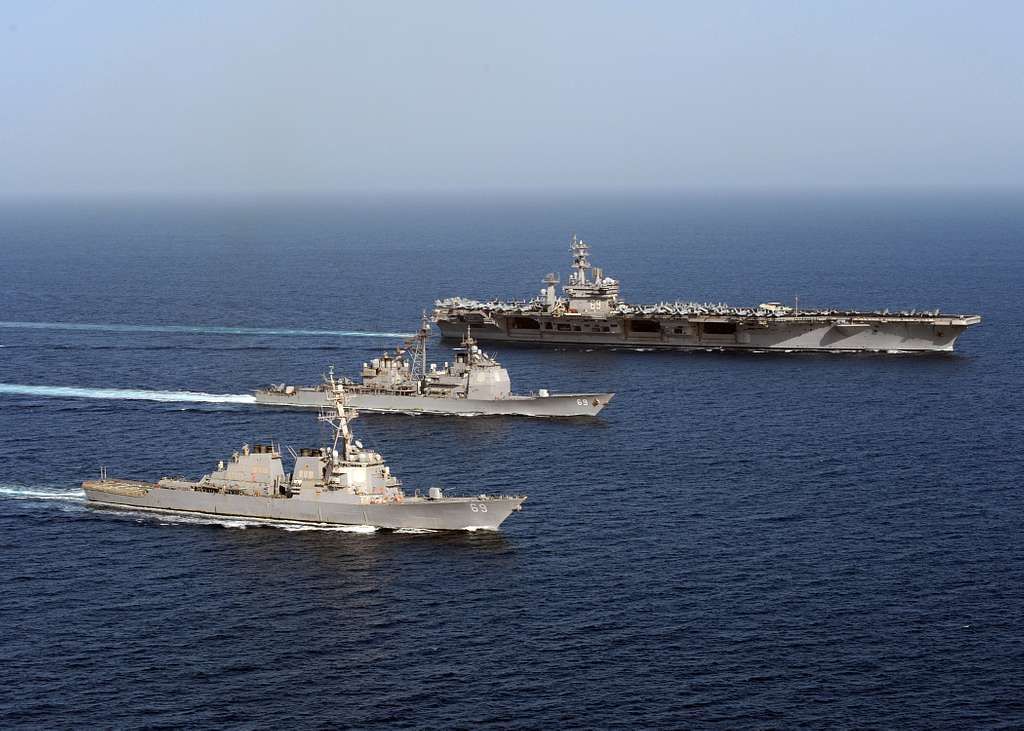
As we have covered in previous posts, this was not an isolated signal. Around the same time, maritime notices were issued for hazardous operations north of Venezuela in the Caribbean, forcing civilian ships and aircraft to divert. These notices rarely exist in a vacuum. They point to a region that is increasingly militarized, increasingly monitored, and increasingly constrained. The space in which Venezuelan criminal networks operate is shrinking.
There has also been reporting that Stephen Miller advised the White House on contingency planning involving an 18th-century wartime statute that could accelerate deportations in the event of open conflict with Venezuela. Critics will seize on this as evidence of extremism. I see it differently. Serious administrations plan for worst-case scenarios. They do not improvise when crises erupt. Planning does not mean inevitability, but the absence of planning is malpractice. Venezuela has already exported millions of migrants, willingly or not. Thinking through legal tools before a crisis escalates is not cruelty; it is governance.
Meanwhile, inside Venezuela, daily life continues to shift. Christmas 2025 was marked not by celebration, but by empty pockets. The bolívar lost nearly 85 percent of its value this year. The dollar surged over 550 percent. These are not abstract numbers. They represent a society where wages evaporate, savings disappear, and survival becomes the primary economic activity.
What struck me most in reporting was not fear of U.S. military pressure. Vendors did not talk about war. They talked about prices. About scarcity. About how even now, after years of collapse, things continue to get worse. That is the quiet indictment of the Maduro regime. Not American policy. Not sanctions. Misrule.
Looking ahead, the trajectory is clear. Trump’s Venezuela policy is not about invasion fantasies or nation-building. It is about pressure, disruption, and signaling that the United States will no longer tolerate Venezuela as a sanctuary for criminal organizations that poison our cities and destabilize the hemisphere. It is a policy grounded in deterrence and realism.
The year ahead will likely bring more surgical moves, more economic pressure, and more moments that force Caracas, and the cartels to confront its shrinking room to maneuver.
Venezuela’s tragedy did not begin in Washington, and it will not be solved by pretending firmness is aggression. As we close out the year, one thing is clear: the era of looking the other way is over. And that, for the United States and for the Venezuelan people, is long overdue.
Ryan Parada is a Partner and the Chief Government Affairs Officer for Connector, Inc. where he oversees both domestic and international portfolios. He is a policy expert for our clients in numerous areas, including national security, energy, and the tobacco industry.