
The Real Cost of Contempt
Chris Faulkner • November 11, 2025
Why Demonizing SNAP Recipients Hurts Everyone
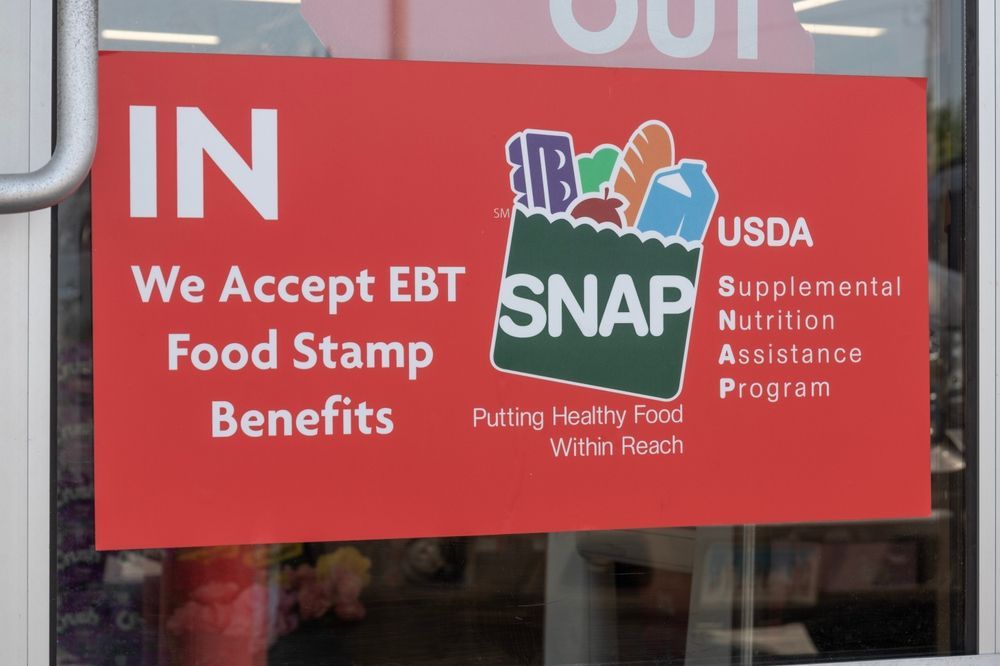
Every time Congress debates the Farm Bill, the same talking point returns: someone somewhere is “living off the government.” The image gets repeated on social media — a lazy man with a shopping cart full of junk food, a woman buying soda with food stamps and DoorDash orders being paid by EBT card. The implication is that programs like the Supplemental Nutrition Assistance Program, or SNAP, are not safety nets but hammocks.
But the reality is different, and the consequences of pretending otherwise are dangerous.
Demonizing SNAP recipients doesn’t make America stronger or thriftier. It makes us meaner, more divided, and less honest about what poverty really looks like in the 21st century.
The Numbers Tell a Different Story
SNAP is one of the most misunderstood federal programs in America. According to USDA data, nearly 90 percent of benefits go to households with children, seniors, or people with disabilities. The average monthly benefit per person? About $180. That’s barely enough for two grocery carts, not a lifetime of luxury.
Years of unchecked illegal immigration have deeply impacted this program and doubled the number of SNAP payments that go out. Illegal immigrants eating while American’s go hungry is unacceptable.
Poverty Is Not a Character Flaw
When we talk about “the poor” as a separate species, we erode the moral foundation of self-government. Roughly one in eight Americans used SNAP at some point last year. Many of them were working — waiters, home-health aides, warehouse staff — people earning just enough to disqualify for traditional welfare but not enough to handle rent and groceries when inflation spikes.
Treating those people as moral failures rather than economic survivors is not conservatism; it’s cruelty disguised as virtue. A healthy republic doesn’t punish the struggling. It helps them stand, work, and contribute again.
The Economic Logic of Compassion
SNAP is not only a moral tool; it’s an economic stabilizer. Every $1 in SNAP spending generates roughly $1.50 in economic activity, mostly in small-town grocery stores, trucking, and agriculture. During downturns, it’s one of the fastest-acting forms of stimulus because recipients spend immediately and locally.
Cutting those benefits in the name of “tough love” doesn’t eliminate need — it shifts the cost to emergency rooms, homeless shelters, police budgets and churches. That’s not smaller government; it’s costlier government with worse outcomes.
The Political Trap
For years, both parties have used SNAP as shorthand for moral signaling. On the left, it’s proof of compassion; on the right, evidence of waste. The truth is simpler: it’s a program that works when treated responsibly.
Conservatives who want to reduce dependency should focus on raising wages, expanding apprenticeships, and strengthening local job markets — not humiliating the people who hand you your bag of fast food thru a window. Liberals, meanwhile, must admit that bureaucracy and poor oversight can trap families in cycles of reliance.
Real reform means merging accountability with empathy — not sound bites with scorn.
A Test of Character, Not Ideology
In the end, how a nation treats those who need help feeding their kids says more about its character than its politics. Demonizing SNAP recipients may get you laughs and re-tweets on X, but it won’t build a single factory, train a single worker, or feed a single child.
Fiscal conservatism doesn’t require cruelty. Compassion doesn’t require complacency. America works best when work itself is rewarded — and when those who fall behind are seen not as enemies, but as neighbors waiting for a fair chance to catch up.
Chris Faulkner, a United States Marine Corps veteran (1991–2001), serves as a Senior Advisor at Connector, Inc. where he leans on nearly three decades of winning campaigns to advise our clients on their political efforts and goals. He and his wife, Angela, live outside Knoxville, Tennessee with their poodle and pit bull, and are proud parents of three adult sons.